
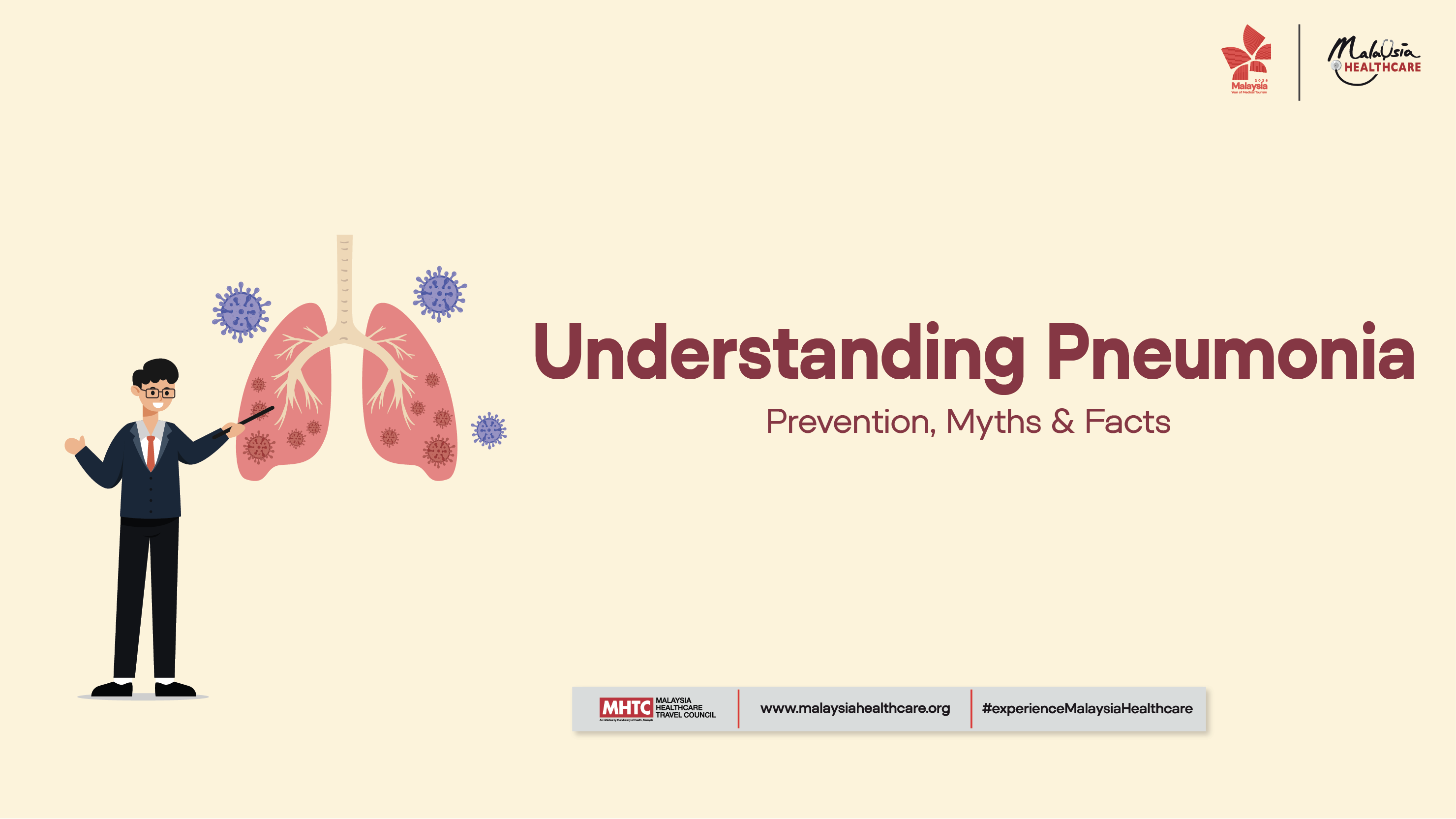
Pneumonia is often mistaken for a severe case of the flu or a common chest infection, but it’s much more serious than that. This lung infection can affect anyone—young or old—and can be life-threatening if left untreated. Understanding pneumonia, knowing how to prevent it, and distinguishing between myths and facts are crucial steps in protecting yourself and your loved ones.
What is Pneumonia?
Pneumonia is an infection that inflames the air sacs (alveoli) in one or both lungs, causing them to fill with fluid or pus. This leads to symptoms such as cough (often with phlegm), fever, chills, chest pain, and difficulty breathing.
The condition can be caused by bacteria, viruses, or fungi. The most common type is bacterial pneumonia, often triggered by Streptococcus pneumoniae. Meanwhile, viral pneumonia—frequently caused by influenza or respiratory syncytial virus (RSV)—tends to be milder but can still lead to serious complications, especially among vulnerable groups.
Who is Most at Risk?
While pneumonia can affect anyone, certain groups face a higher risk of severe illness:
- Infants and young children
- Older adults (especially those aged 65 and above)
- Individuals with chronic diseases such as diabetes, heart disease, or asthma
- People with weakened immune systems
- Smokers and those exposed to air pollution
These groups should take extra precautions, including regular vaccinations and prompt medical attention if respiratory symptoms arise.
Prevention: Your Best Defense
The good news is that pneumonia is largely preventable. Vaccination remains the most effective way to protect against bacterial and viral strains that cause pneumonia. The pneumococcal vaccine and the influenza vaccine are especially recommended for high-risk groups.
Other preventive steps include:
- Practising good hygiene: Wash your hands frequently and cover your mouth when coughing or sneezing.
- Avoiding smoking: Smoking damages the lungs and reduces their ability to fight infection.
- Maintaining a healthy lifestyle: A balanced diet, regular exercise, and adequate rest help strengthen the immune system.
- Seeking early treatment: Respiratory infections should not be ignored—prompt medical attention can prevent them from worsening into pneumonia.
Common Myths About Pneumonia
Myth 1: Only older people get pneumonia.
Fact: Anyone can get pneumonia, even healthy adults and children. Age only increases the risk of complications.
Myth 2: Pneumonia is just a bad cold.
Fact: Pneumonia is a serious lung infection that requires medical attention. Left untreated, it can lead to respiratory failure or sepsis.
Myth 3: You can’t get pneumonia if you’re vaccinated.
Fact: Vaccines reduce the risk and severity but don’t offer complete immunity. Good hygiene and healthy habits are still essential.
Myth 4: Antibiotics can treat all types of pneumonia.
Fact: Antibiotics only work for bacterial pneumonia. Viral pneumonia requires supportive care and, in some cases, antiviral medication.
The Bottom Line
Pneumonia is preventable, treatable, and most importantly, detectable when you know the warning signs. Awareness and early medical care save lives. As with many illnesses, prevention through vaccination and healthy living remains your strongest protection. Stay informed, stay proactive, and breathe easier knowing you’re taking charge of your lung health.


