
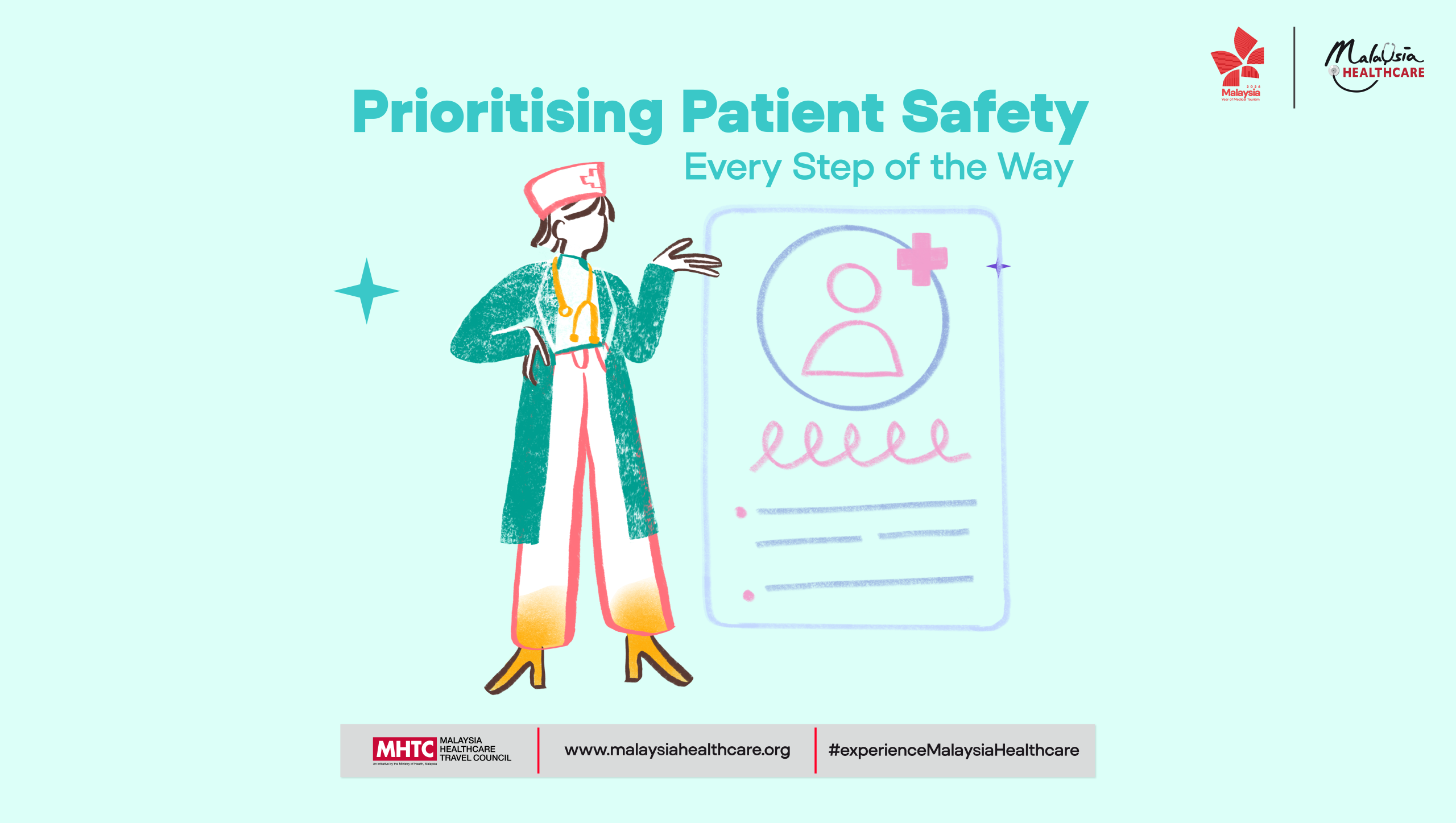
In healthcare, trust is everything. Patients entrust their lives to healthcare professionals, expecting not only treatment but also safety at every stage of their journey. That is why patient safety stands as one of the most important pillars of modern healthcare. In Malaysia, the emphasis on safety is stronger than ever, with hospitals, clinics, and policymakers working together to ensure that care is consistently safe, reliable, and of the highest quality.
Why Patient Safety Matters
Patient safety is about preventing harm during the course of medical care. It covers everything from proper diagnosis and medication accuracy to infection control and surgical procedures. The World Health Organisation recognises patient safety as a global priority, and Malaysia has embraced this by integrating safety into all aspects of healthcare delivery.
For patients, safety translates into confidence. Knowing that systems and protocols are in place provides reassurance that their well-being is at the centre of every decision made by healthcare providers.

Image by Canva
Standards and Accreditation
Malaysia’s healthcare system is guided by a commitment to global best practices. Many hospitals are accredited by internationally recognised bodies, which ensures compliance with rigorous safety standards. Protocols in areas such as medication management, hand hygiene, and surgical checklists reduce the risk of errors and enhance patient outcomes.
Local healthcare institutions also invest heavily in staff training, simulation exercises, and continuous monitoring to maintain a strong culture of safety. These measures ensure that patient care is consistent, transparent, and accountable.
Technology as a Safety Enabler
In recent years, technology has become a powerful ally in improving patient safety. Electronic health records reduce the risk of miscommunication, while digital monitoring systems track vital signs in real time. Telemedicine platforms allow for follow-up care that is both convenient and safe, reducing unnecessary exposure in clinical settings. Artificial intelligence is also being explored to support faster, more accurate diagnoses.
A Shared Responsibility

Image by Canva
While healthcare professionals play a leading role, patient safety is also a shared responsibility. Patients and their families can contribute by asking questions, understanding their treatment options, and adhering to medical advice. Open communication fosters trust, reduces misunderstandings, and helps ensure the best possible outcomes.
Building a Culture of Safety
Patient safety is not a one-time initiative; rather, it is a continuous journey. By embedding safety into everyday practices and decision-making, Malaysia’s healthcare providers are creating an environment where patients feel secure, and professionals are empowered to deliver the best care possible.
As Malaysia strengthens its position as a regional healthcare hub, prioritising patient safety every step of the way ensures that trust remains at the heart of care delivery. Safe care is not just about preventing harm; it is also about preserving dignity, building confidence, and upholding the promise of healthcare.


