
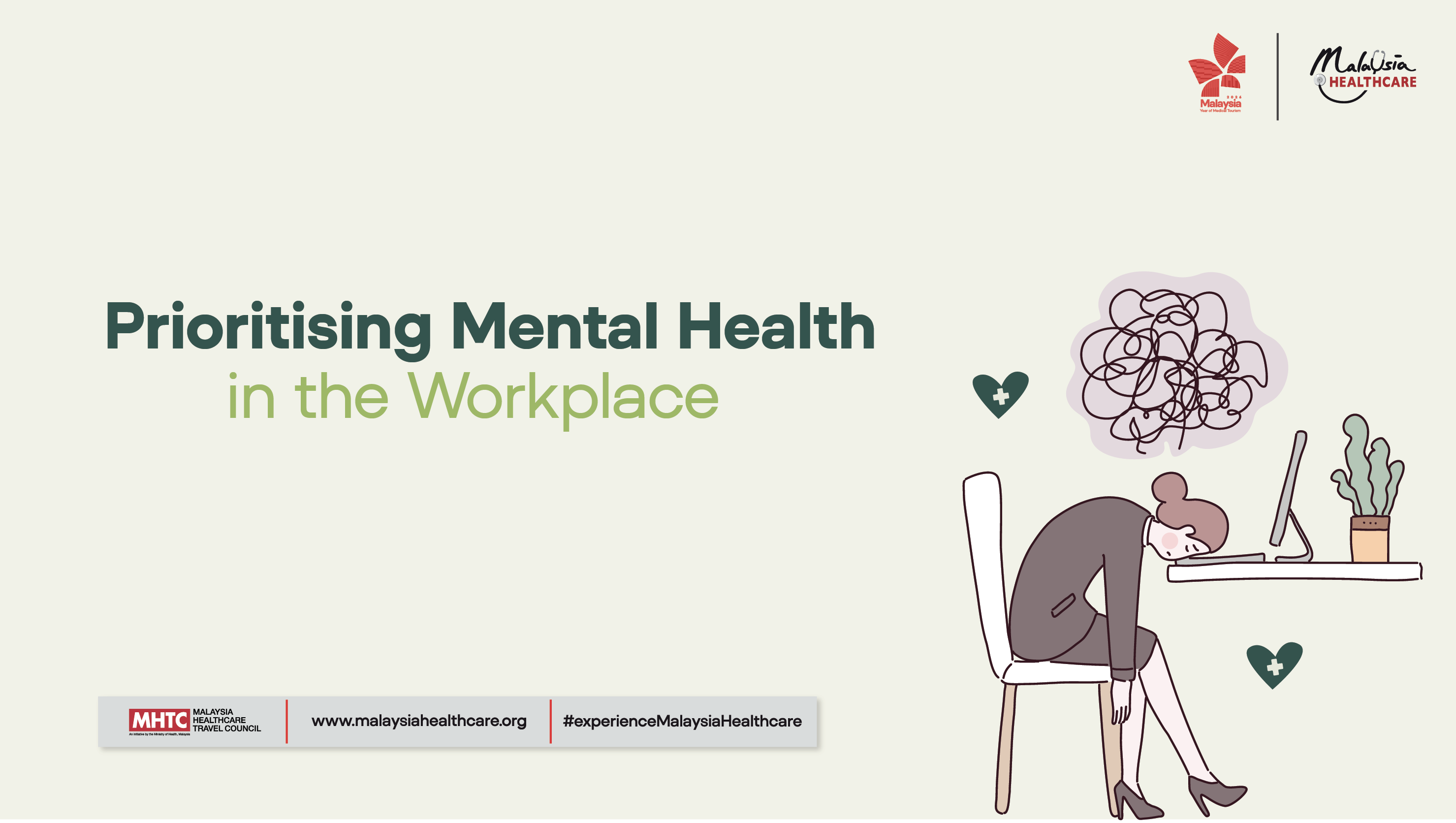
In today’s fast-paced work environment, mental health has emerged as one of the most critical yet often overlooked aspects of employee well-being. While productivity, innovation, and performance are celebrated, the emotional and psychological health of the workforce deserves equal (if not greater) attention. More employers are beginning to realise that a healthy mind is key to a healthy workplace.
Why Mental Health Matters at Work
Work can be both a source of fulfilment and stress. Tight deadlines, increasing workloads, and blurred boundaries between work and home life can easily take a toll on mental health. According to the World Health Organisation (WHO), depression and anxiety cost the global economy an estimated USD 1 trillion annually in lost productivity.
Beyond the financial cost is a truth often overlooked: employees are human beings, not just resources. When organisations value mental health, they create a space where people feel supported, motivated, and empowered to do their best work. It’s not only the right thing to do, but also a smart business strategy that drives engagement, retention, and creativity.
Recognising the Early Signs
Mental health challenges can be subtle. They don’t always manifest as visible distress, but may appear through changes in behaviour such as:
- Frequent absenteeism or presenteeism
- Withdrawal from colleagues
- Declining performance or concentration
- Noticeable mood changes or irritability
Recognising these signs early and responding with empathy is crucial. Supervisors and HR leaders should be equipped to identify when an employee may need help and to provide appropriate support or referrals.
Creating a Supportive Workplace Culture
Building a mentally healthy workplace starts with culture. Employers can take meaningful steps by:
- Encouraging open conversations about mental health to reduce stigma
- Promoting work-life balance through flexible arrangements and reasonable workloads
- Providing access to professional help, such as Employee Assistance Programmes (EAPs) or partnerships with counsellors
- Offering workshops and training on stress management, mindfulness, and resilience
Simple initiatives such as “mental health days” or mindfulness breaks can also contribute to a more compassionate work environment.
Leading by Example
Leadership plays a powerful role in normalising mental health conversations. When leaders share their own experiences, model self-care, and prioritise mental wellness in policies and planning, it sends a strong signal that mental health is valued and supported.
As Malaysia strives to strengthen its position as a regional healthcare leader, integrating mental wellness into corporate frameworks complements our nation’s broader vision of holistic health, where physical, mental, and emotional well-being coexist harmoniously.
About MHTC
The Malaysia Healthcare Travel Council (MHTC) champions Malaysia’s position as a trusted global healthcare destination. Through the Malaysia Year of Medical Tourism 2026 (MYMT 2026) initiative, MHTC continues to highlight the country’s excellence in healthcare, wellness, and preventive medicine — including the growing importance of mental health. By promoting awareness and encouraging proactive well-being, MHTC supports both Malaysians and international visitors in pursuing healthier, more balanced lives.
References:


