
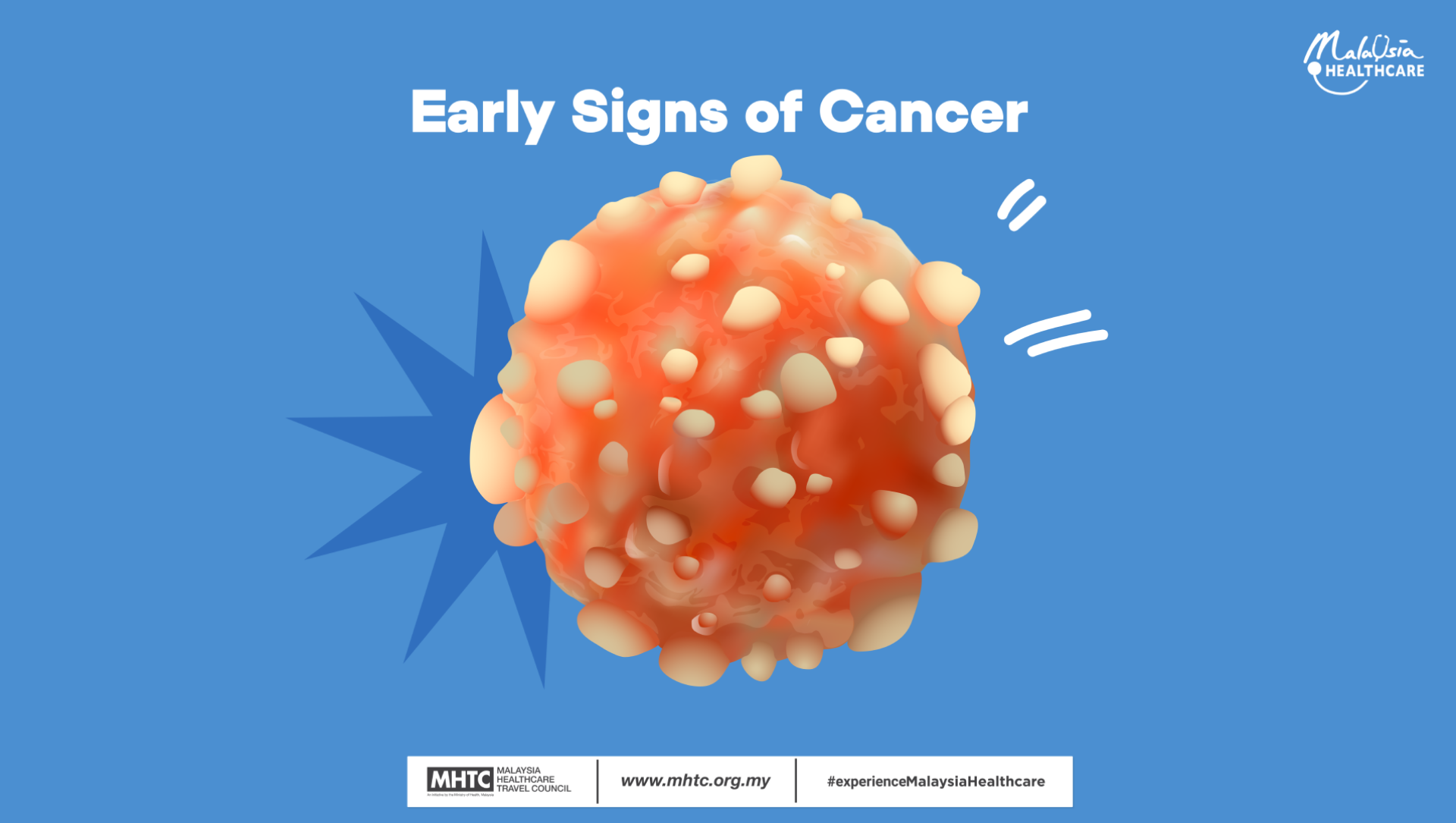
Detecting cancer early can make a life-saving difference and significantly improve the chances of successful treatment. Being aware of the key signs and symptoms can help you recognise potential warning signs in yourself and your loved ones. It is essential to understand what is normal for your body and consult a doctor if you notice any persistent or unusual changes. Early detection is key to better outcomes, so don’t ignore symptoms that don’t go away. Remission in cancer is also plausible. Hence is it highly recommended to know the signs.
What are the general early signs of cancer?
- Heavy night sweats or fever
Frequent night sweats or persistent high temperatures (fever) can be linked to infections or medication side effects. Women going through menopause may also experience these symptoms. However, if they occur without an obvious cause, they could be a warning sign of cancer.
- Unexplained Weight Loss
Losing 5kg or more without any changes to diet or lifestyle is often harmless. However, unexpected weight loss for no clear reason could be an early sign of cancer and should not be ignored.
- Fatigue
Extreme tiredness that doesn’t improve with rest can be a red flag. Cancer depletes the body’s nutrients to fuel its growth, leading to persistent fatigue. If you feel constantly drained without explanation, it’s important to seek medical advice.
- Unexplained bleeding or bruising
Unusual bleeding or bruising without injury should always be checked by a doctor. This includes:
- Blood in stool or urine
- Vomiting or coughing up blood
- Unexplained vaginal bleeding (between periods, after sex, or post-menopause)
- Pain
Persistent pain that doesn’t improve may indicate cancer. Tumours can press on nerves, organs, or bones, causing discomfort. Additionally, cancer cells release chemicals that contribute to pain. If you experience unexplained pain, consult a healthcare professional.
- Skin Changes
Be aware of:
- Jaundice – Yellowing of the skin, eyes, or fingertips
- Mole changes – Asymmetry, irregular borders, color variations, or sudden growth
- Unusual lump or swelling
A lump or swelling anywhere on the body—such as the neck, armpit, stomach, groin, chest, breast, or testicles—should be examined. Persistent or growing lumps may be a sign of an underlying issue.
What to do after noticing the signs?
Speak to your doctor as soon as possible to discuss the most suitable cancer screening options for you.
Here are several approaches your doctor may use for cancer diagnosis.
- Physical examination
Your doctor may check for abnormalities such as changes in skin colour or the enlargement of an organ.
- Laboratory tests
Tests like blood and urine analyses can help detect signs of cancer.
- Imaging tests
Non-invasive imaging techniques allow doctors to examine bones and internal organs for any irregularities
- Biopsy
A biopsy involves collecting a sample of cells for laboratory testing. This type of biopsy performed depends on the suspected cancer type and its location.
If cancer is diagnosed, your doctor will determine its stage to determine treatment options.
________________________________________________________________________________________________________________________
References:


