
Medically reviewed by: Dr. Alice Hew Chee Yen | Written by: Celine Woon
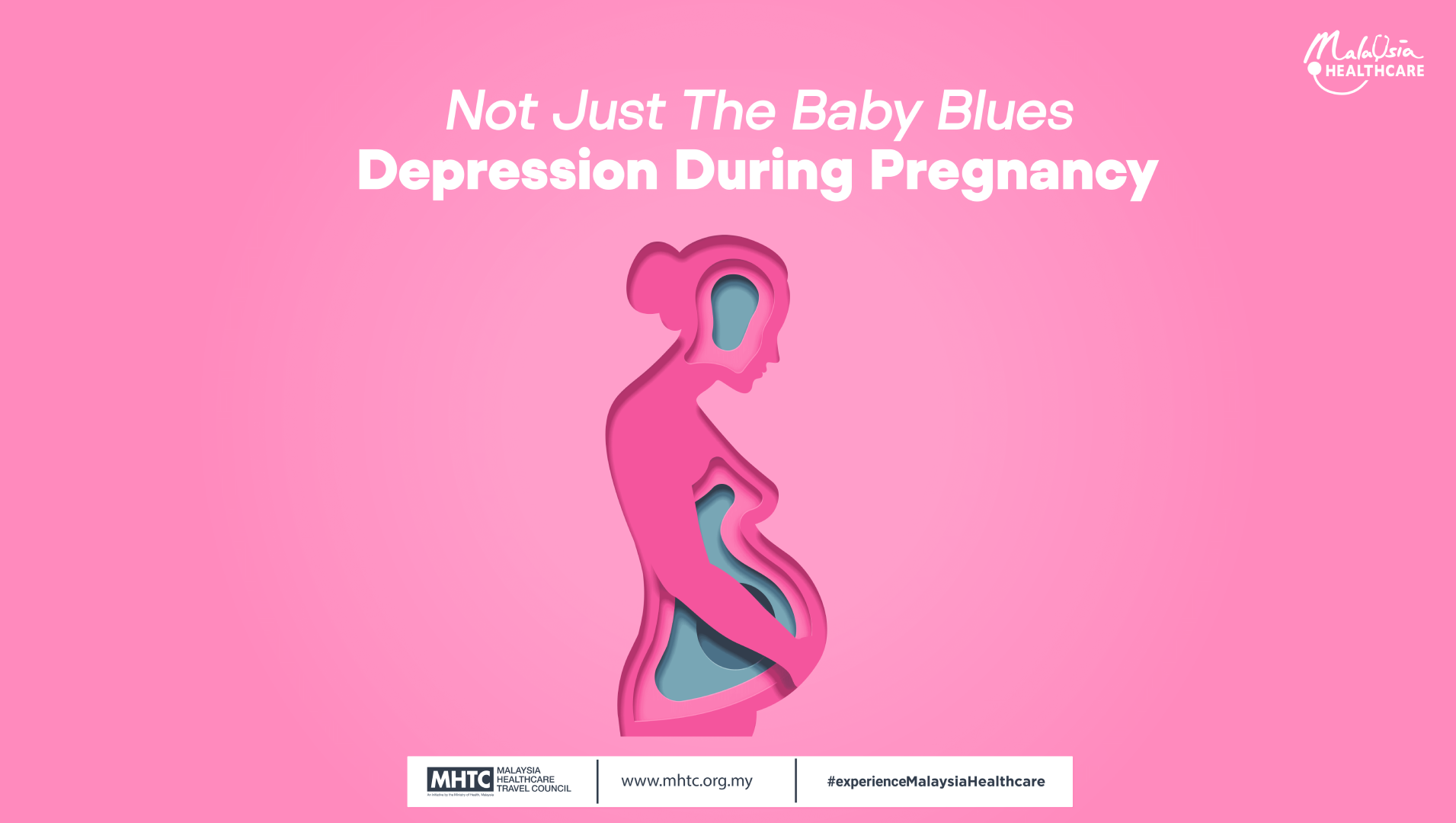
According to the World Health Organisation, globally, around 10% of pregnant women experience mental disorders, with depression being the most common. The prevalence is even higher in developing countries, reaching 15.6% during pregnancy. In severe cases, a mother’s distress can be so overwhelming that it may lead to suicide. Affected mothers may struggle to function effectively, which can, in turn, have a negative impact on their children’s growth and development.
However, depression during pregnancy or perinatal depression is treatable.
What is depression during pregnancy/perinatal depression?
The perinatal period—which includes pregnancy and the first year postpartum—is a particularly vulnerable time for women. Significant physical and lifestyle changes during this phase can increase the risk of mental health challenges. Despite its importance, perinatal mental health is often overlooked in maternal and infant care.
While many people are familiar with postnatal depression (PND), depression can also develop during pregnancy. Other perinatal mental health conditions include anxiety disorders, obsessive-compulsive disorder (OCD), post-traumatic stress disorder (PTSD), and eating disorders.
These conditions can vary in severity and require timely, specialised care. Some may have been present before pregnancy and worsened during this period, while others may emerge for the first time.
What are the visible signs?
Please seek help immediately with your medical provider if you notice these signs:
- Feeling sad for most of the time
- Feeling irritable easily
- Losing interest in your surroundings
- No desire to eat or eating more than usual
- Feeling guilty and hopeless
- Having problems concentrating or making decisions
What are the causes of depression during pregnancy?
Anyone can experience maternal mental health disorder, although there are some factors which increase someone’s chance of becoming unwell, including:
- A history of mental health problems
- Biological causes
- Lack of support
- Difficulty during childhood
- Domestic abuse
- Financial problems
- Traumatic experiences such as birth trauma
What happens if it is not treated?
Depression during pregnancy, if left untreated, can leave lasting effects on both mothers and infants. Mothers with depression might have:
- Difficulty in eating
- Difficulty in sleeping
- Lack of ability to care for themselves and their infants
- Delay mother-newborn attachment, breastfeeding and infant care
- Stillbirth and preterm births
- Effects on infant development – cognitive, behavioural, and psychomotor issues
Are you concerned about depression during pregnancy?
You may book an appointment with any of the hospitals or clinics in Malaysia to seek for pregnancy care.
Need help to find your healthcare provider? View the list of MHTC’s member hospitals in Malaysia here!
Here at Malaysia Healthcare, we prioritise a patient’s entire being, not just their physical symptoms or diagnosis, but taking into account their mental, emotional, and even social well-being. This ensures their needs are met holistically with personalised care that supports every aspect of their healing and recovery journey.
________________________________________________________________________________________________________________________
References:


